.png/jcr:content/003000%20(2).png)
Pulse Day on March 1, 2026
Every year on March 1, the international Pulse Day takes place. Under the motto "In the right rhythm", we provide useful and exciting information about our pulse and the clinical picture of atrial fibrillation.
The pulse is more than just a number. It shows how regularly and efficiently our heart is working. If you know your own pulse, you can detect changes early on. Find out here what information the pulse provides and what role it plays in the early detection of atrial fibrillation.
What is the pulse?
Our pulse signals how often and regularly our heart beats per minute. The palpable pulse is generated when the heart pumps blood into the arteries and triggers a perceptible pressure wave. This can be felt in various parts of the body, for example on the wrist or neck.
Every heartbeat ensures that blood flows through the body and that organs and the brain are supplied with oxygen.
Two aspects are crucial here:
-
The pulse rate - how fast the heart beats
-
The pulse rhythm - whether the heartbeats are regular or irregular
Both together provide important information about how the heart is working and whether there are any abnormalities.
What pulse rate is normal?
At rest, the pulse rate in most adults is between 60 and 80 beats per minute. In children and adolescents, the resting pulse rate is usually higher, while it can be somewhat lower at an older age.
Deviations from this are not automatically pathological. They can be influenced by sport, stress, medication or sleep, for example.
It is not so much the individual measured value that is important, but rather
-
whether the pulse is suddenly significantly higher or lower than usual
-
whether it feels irregular
What is Pulse Day?
Pulse Day is an international day of action that takes place annually on March 1.
Pulse Day was established by the European Heart Rhythm Association (EHRA) together with its international partner associations. TheGerman Heart Foundation has launched an annual awareness campaign under #PULSEDAY.
The aim of Pulse Day is to make people more aware of their own heart rhythm and to recognize any abnormalities at an early stage.
As the University Heart Center, we would also like to make our contribution and provide information on the occasion of the campaign day.
And why March 1?
March 1 (1/3) symbolizes the fact that one in three people worldwide may develop a cardiac arrhythmia requiring treatment in the course of their lives.
How do I measure my pulse?
60-80
beats per minute is considered normal for most adults at rest.
100'000x
This is how often the heart beats on average per day.
ca. 7000
liters of blood our heart pumps through our body every day.
2–4%
of over 75-year-olds in Switzerland are affected by atrial fibrillation.
Focus topic: Atrial fibrillation
Atrial fibrillation is the most common persistent cardiac arrhythmia - and yet it often goes unnoticed for a long time. An irregular pulse, heart stumbling or reduced exercise tolerance can be indications of this. If left untreated, atrial fibrillation significantly increases the risk of a stroke.
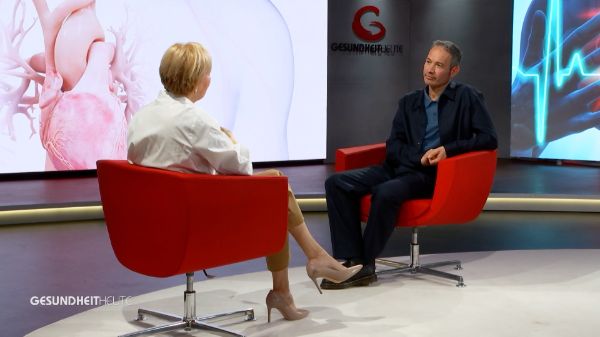
In the expert video, we explain exactly what atrial fibrillation is, how it is detected and what modern treatment options are available at the University Heart Center Basel.
Our Pulse Day expert:

What is atrial fibrillation?
How is ventricular fibrillation treated?
Did you know?
Athletes often have a significantly lower heart rate.
A resting heart rate of 40-60 beats per minute is not uncommon in well-trained people.
In motion
The pulse follows your breathing
When inhaling, the pulse quickens, when exhaling it slows down.
This natural fluctuation is called breath-heart coupling.
Pulse and music
The human pulse reacts measurably to the tempo and rhythm of music.
Fast, rhythmic music can slightly accelerate the pulse.
Calm, slow music can slow down the pulse.



-(800-x-533-px)-(3).png/jcr:content/003000%20(1920%20x%20540%20px)%20(800%20x%20533%20px)%20(3).png)
-(800-x-533-px)-(1).png/jcr:content/003000%20(1920%20x%20540%20px)%20(800%20x%20533%20px)%20(1).png)
-(800-x-533-px).png/jcr:content/003000%20(1920%20x%20540%20px)%20(800%20x%20533%20px).png)

.jpg/jcr:content/Website%20Bild.png)