
Diagnostic hematology
Diagnostic Hematology is divided into five teams:
- Basic diagnostics (blood count and coagulation status) and special hematology/hemostasis
- Immunophenotyping (together with the Department of Immunology)
- Molecular diagnostics for haematological diseases
- HLA diagnostics and immunogenetics
- Stem cell and cell therapies
We offer a broad spectrum of hematological and hemostasiological analyses to the University Hospital Basel and external clients (hospitals, doctors' practices and other laboratories). Around 500,000 analyses are performed each year.
Address and contact
University Hospital Basel
Diagnostic Hematology
Petersgraben 4
CH-4031 Basel
Phone +41 61 265 42 20
Fax +41 61 265 46 00
Opening hours
Monday-Friday: 8.00 - 17.00
Emergency analysis: 24 hours
In the Diagnostic Hematology Department of Laboratory Medicine, medical-technical personnel for method and test development are financially supported by Bayer (Schweiz) AG, among others.
Order cards
Forms
Management
Academic management
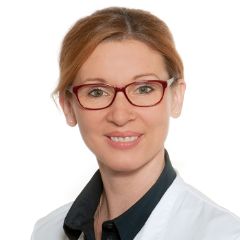
Dr. Corinne Widmer
Leitende Ärztin
Hämatologie, Diagnostische Hämatologie
Fachleiterin Diagnostische Hämatologie
Tel. +41 61 32 86275
Team leader



Basic hematologic diagnostics
In this area, analyses are offered 24 hours a day, seven days a week, as an emergency analysis, including automated blood count with erythrogram, leukogram, nucleogram and microscopic leukocyte differentiation.
Coagulation status with Quick/INR, APTT, thrombin time, fibrinogen, factors II-IV-VII, D-dimers and determination of all anticoagulants (heparins, vitamin K antagonists, NOAC). Emergency thromboelastometry (ROTEM) is made available to the intensive care units and operating theaters via a direct network connection.
Responsible for basic diagnostics
Dr. Corinne Widmer
Leitende Ärztin
Hämatologie, Diagnostische Hämatologie
Fachleiterin Diagnostische Hämatologie
Tel. +41 61 32 86275
Team leader
Hemostasis
Special analysis of hemostasis for hemorrhagic diatheses, thrombophilia, platelet dysfunction, coagulation inhibitors, ADAMTS13 determination for microangiopathies and heparin antibodies.
Responsible for hemostasis

Dr. med. et Dr. phil. nat. Patrick Bättig
Kaderarzt
Hämatologie, Diagnostische Hämatologie
Fachverantwortlicher Hämostase, Leiter Hämophilie Zentrum
Team leader
Morphology
Morphology of peripheral blood and leukocyte differentiation (digital or discussion microscopy). Bone marrow aspirates are streaked, stained and assessed. Special analysis of hemoglobinopathies using HPLC.
Responsible for morphology
Dr. med. et Dr. phil. nat. Patrick Bättig
Kaderarzt
Hämatologie, Diagnostische Hämatologie
Fachverantwortlicher Hämostase, Leiter Hämophilie Zentrum
Dr. Corinne Widmer
Leitende Ärztin
Hämatologie, Diagnostische Hämatologie
Fachleiterin Diagnostische Hämatologie
Tel. +41 61 32 86275
Team leader
Immunophenotyping
In immunophenotyping, blood cells are examined in detail using flow cytometry. This technique allows up to 15 different surface markers on individual cells to be detected and visualized simultaneously. On the one hand, this very rapid method provides a quick overview of potentially diseased cells within a healthy cell population, thereby aiding in the diagnosis of various hematological neoplasms. On the other hand, this highly sensitive technology is used to monitor residual diseased cells during and after therapy and to adjust treatment accordingly.
This method is used for the following purposes:
- Diagnosis of acute leukemias and their lineage definition (myeloid, lymphoid, biphenotypic) as well as their further subclassification according to WHO and ICC.
- Diagnosis of lymphoproliferative neoplasms: differentiation between reactive and neoplastic lymphocytosis, as well as characterization of mature-cell lymphoid neoplasms (B-NHL, T-cell lymphomas, NK-cell neoplasms).
- Diagnosis of multiple myeloma and assessment of its course.
- Quantification of measurable residual disease (MRD) in hematologic neoplasms during and after therapy.
- Examination of myeloid cell maturation as part of the diagnosis of myelodysplastic syndrome.
- Classification of monocytes into classical, intermediate, and non-classical monocytes to distinguish between CMML and reactive monocytosis.
- Evaluation of aberrant expression in systemic mastocytosis.
- Monitoring of CAR-T cells in patients following anti-CD19 and anti-BCMA CAR-T cell therapy.
- Diagnosis of paroxysmal nocturnal hemoglobinuria (PNH).
- Assessment of platelet function to diagnose thrombocytopathies.
- Quantification of hematopoietic stem cells (CD34+ cells) in the blood during mobilization for stem cell transplantation, as well as quantification of hematopoietic stem cells (CD34+ cells) in the graft.
Responsible for immunophenotyping
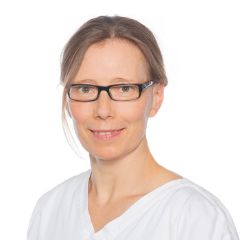
Dr. Diana Ditz
Oberärztin
Hämatologie, Diagnostische Hämatologie
Fachverantwortliche Flowzytometrie
Tel. +41 61 32 87552

Team leader
Molecular diagnostics
In this area, various modern techniques, including Next Generation Sequencing NGS, are used to clarify malignant hematologic diseases using molecular biology:
- Screening for acute and chronic leukemias, as well as myeloproliferative syndromes, both at initial diagnosis and during the course of the disease in the search for minimal residual disease (MRD)
- Determination of donor chimerism in the course after allogeneic stem cell transplantation
- Determination of factor V Leiden and prothrombin mutation of genetic thrombophilia
Responsible for Molecular Diagnostics
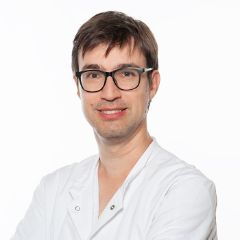
Dr. Corinne Widmer
Leitende Ärztin
Hämatologie, Diagnostische Hämatologie
Fachleiterin Diagnostische Hämatologie
Tel. +41 61 32 86275
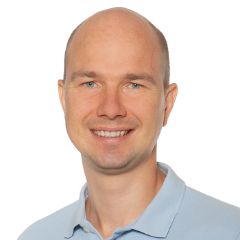
Team leader
HLA diagnostics and immunogenetics
This team carries out HLA compatibility tests for stem cell transplantation as well as complete immunological tests for kidney transplantation:
- HLA typing as part of a donor search for stem cell transplantation incl. donor-specific HLA antibodies
- Complete immunological clarifications for kidney transplantation (HLA typing, HLA antibody analyses, crossmatch)
- Typing for HLA-associated diseases (e.g. HLA-B27, HLA-B*57:01)
- HLA typing for other indications (e.g. platelet donation)
You can find our order form here. We will also be happy to advise you on the clarifications by telephone (061 328 63 41) or by e-mail.
Responsible for HLA diagnostics and immunogenetics
Dr. Corinne Widmer
Leitende Ärztin
Hämatologie, Diagnostische Hämatologie
Fachleiterin Diagnostische Hämatologie
Tel. +41 61 32 86275

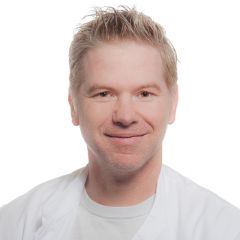
Team leader
Stem cell processing and cell therapies
This team prepares stem cell preparations and other cell products for autologous and allogeneic hematopoietic stem cell transplantation and stores them until transplantation. The following preparations are processed:
- Whole bone marrow
- Mobilized peripheral stem cells
- Umbilical cord blood stem cells
- Donor lymphocytes for transfusion to patients after stem cell transplantation
- Donor NK cell expansion ex-vivo and transfusion to patients after stem cell transplantation
- Donor T cell sensitization against CMV and EBV viruses and transfusion to immunocompromised patients with viral infections
- Specific CAR-T cell products (CTL019, Novartis project) for the treatment of leukemia or lymphoma
Under certain conditions, unwanted cells (e.g. T lymphocytes, erythrocytes) are eliminated after collection of the transplant and target cells (e.g. CD34+ cells, NK cells) are enriched.
Responsible for stem cells
Dr. Corinne Widmer
Leitende Ärztin
Hämatologie, Diagnostische Hämatologie
Fachleiterin Diagnostische Hämatologie
Tel. +41 61 32 86275
Dr. rer. nat. Anne-Kathrin Kienzler
Processing Facility Director
Technische Leitung Labor für zelluläre Therapien
Tel. +41 61 32 84642
Team leader